Macaws in the wild: What we’re losing and how to help
From the Amazon to Central America, macaw populations are shrinking due to habitat destruction, illegal poaching, and climate change.
On this page
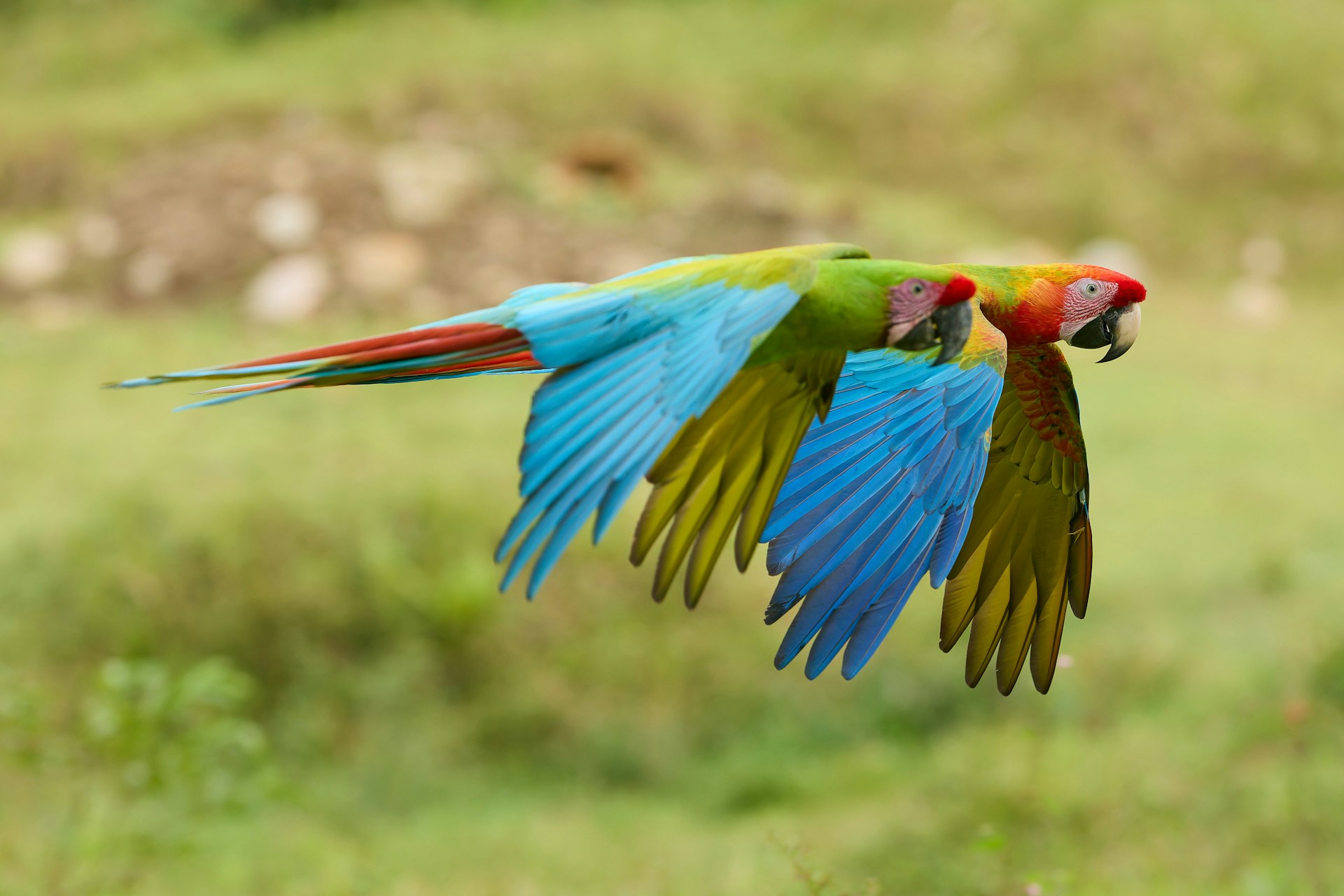
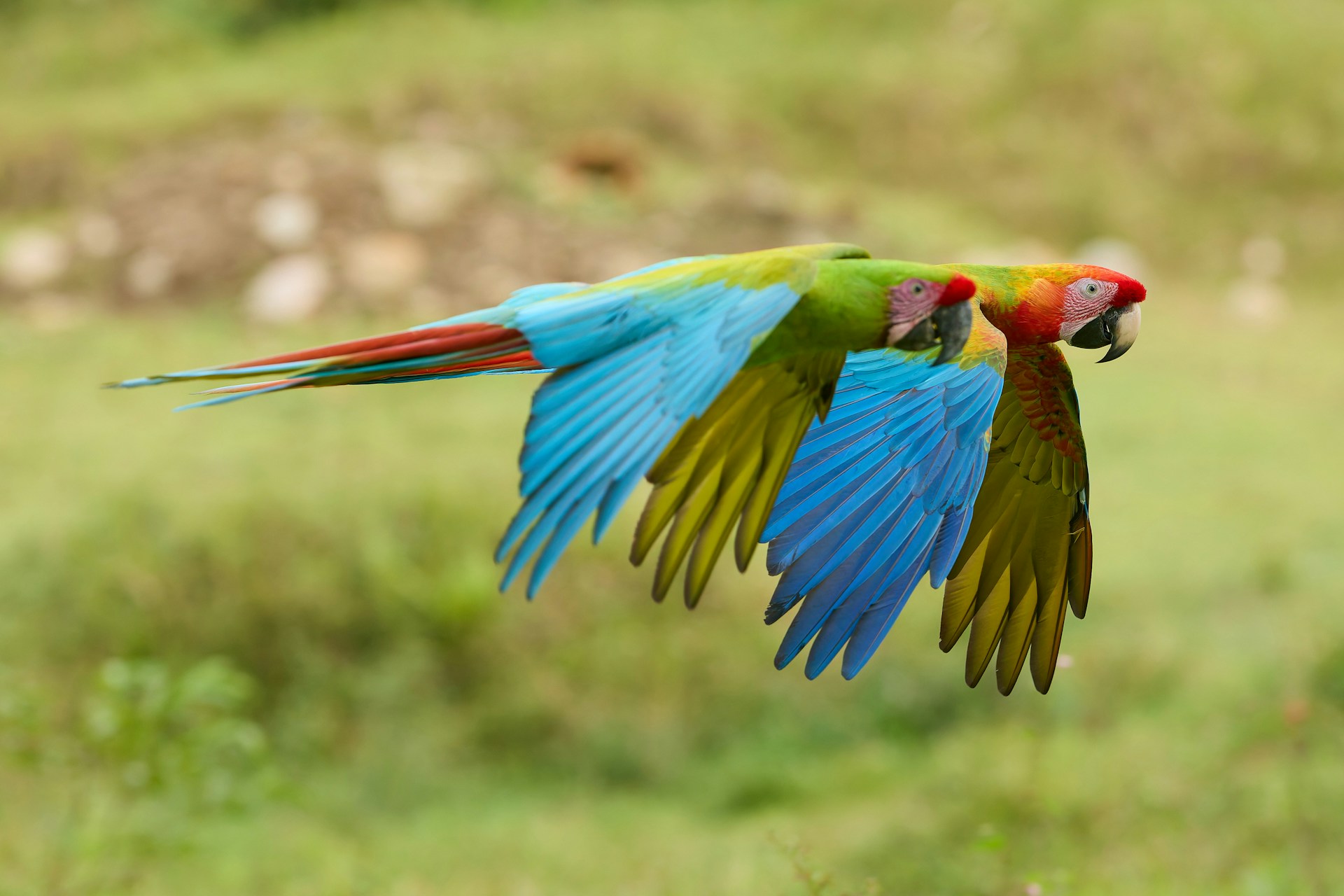
There’s nothing quite like seeing a macaw in flight. Their size, their color, their intelligence—it’s all breathtaking. But the truth is, macaws in the wild are disappearing. From the Amazon to Central America, macaw populations are shrinking due to habitat destruction, illegal poaching, and climate change.
This blog dives into the story of wild macaws: where they live, why they matter, and what you can do to help protect them.
Where macaws live (and what they need)
Macaws are native to the forests and savannas of Central and South America. Different species live in different regions—from the bright red Scarlet Macaw of Costa Rica to the vibrant Blue-throated Macaw of Bolivia. These birds rely on tall trees for nesting, wide territories for foraging, and safe access to clay licks that help them detoxify their food.
Unfortunately, deforestation and logging have wiped out much of their habitat. Without large tree cavities to nest in, macaws simply can’t reproduce.
Why wild macaws are disappearing
- Habitat loss: Rainforest destruction for agriculture and logging eliminates nesting sites.
- Illegal wildlife trade: Poachers often steal macaw chicks from nests to sell into the pet trade.
- Climate change: Rising temperatures and unpredictable seasons affect food sources and nesting patterns.
What does this have to do with pet parrots?
More than you might think. The global demand for parrots as pets contributes to illegal trafficking, especially in countries without strong enforcement. Even when birds are bred in captivity, irresponsible breeding practices and misinformation can do harm.
If you love your bird at home, caring about their wild cousins is part of the bigger picture.
What you can do
- Support rescue and rehab centers that care for wild birds and confiscated trafficked animals.
- Donate to or follow organizations like the Macaw Recovery Network, Tambopata Research Center, or Ara Project.
- Raise awareness: Talk about where parrots come from. Share information. Help shift the narrative.
- Travel thoughtfully: Consider eco-tourism or volunteering with conservation groups that protect macaws in the wild.
Why it matters
Parrots are among the most intelligent birds on earth. Losing them in the wild would be a devastating loss of biodiversity—and beauty. Their existence in forests helps those ecosystems thrive. Their existence in our lives reminds us of our responsibility to do better.
If you care for a parrot in your home, you’re already part of their story. Let’s make it a good one.