
Caring for parrots means protecting where they live
We support efforts that protect parrots in their native ecosystems, and we share what that work teaches us so parrots everywhere get better care.
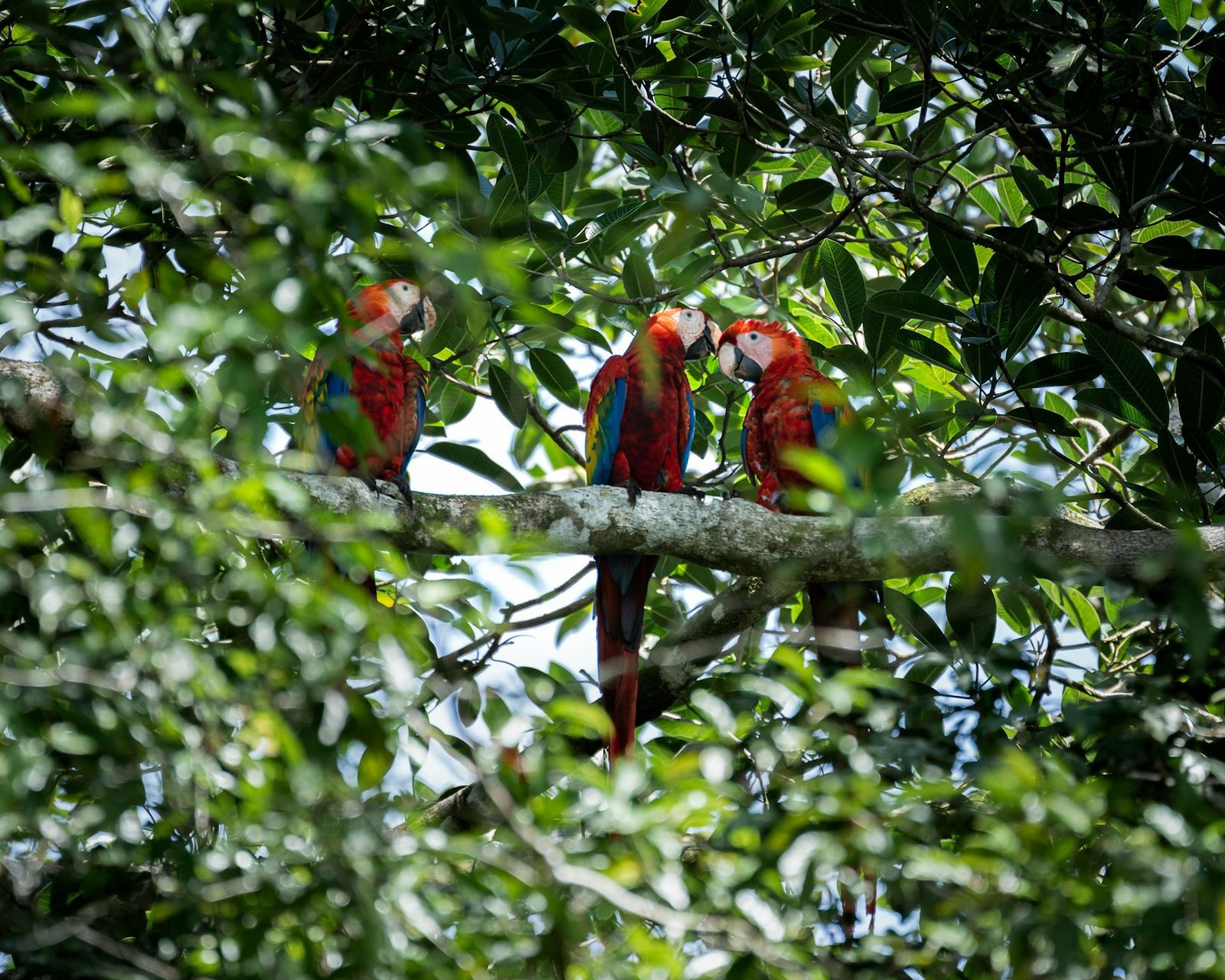
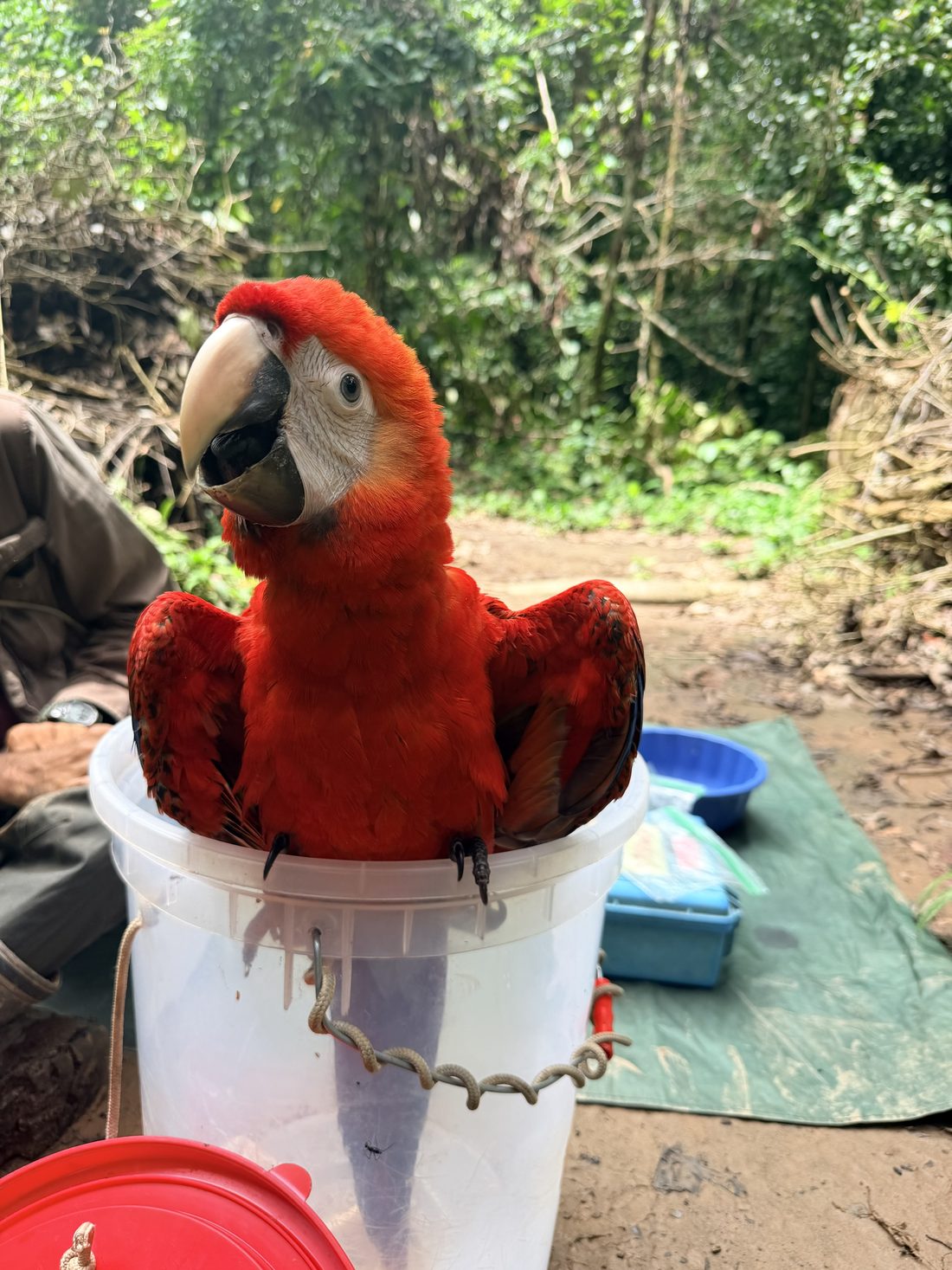
Tambopata, Peru
Our conservation work starts on the ground in the Peruvian Amazon, from hanging nest boxes to filming wild flocks. What we see there shapes everything we teach at home and in classrooms.
Conservation protects the species. Good husbandry protects the individual. Both depend on informed people.
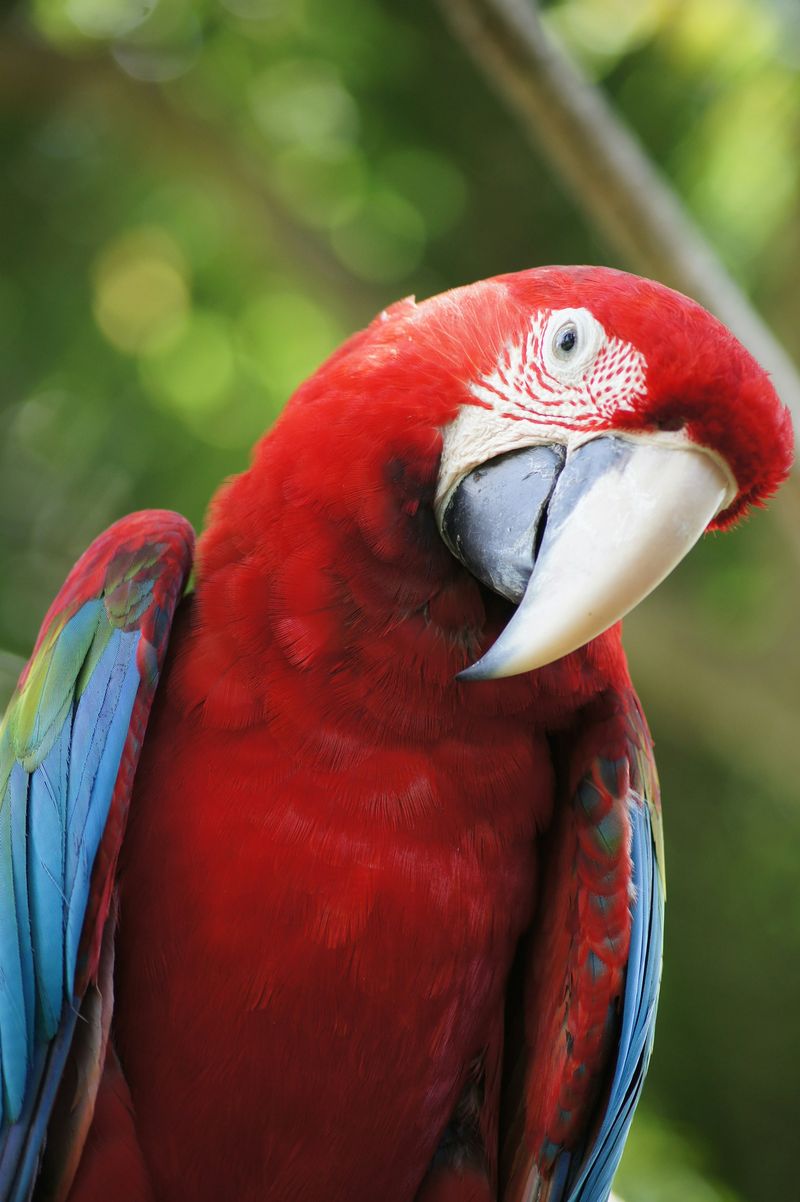
What science teaches us about parrots
We actively follow current peer-reviewed research on parrots on things like behavior, cognition, welfare, nesting ecology, and population monitoring, and translate it into practical guidance for everyday care.
Field research explains:
- Diet composition and seasonal feeding patterns
- Social dynamics and flock structure
- Foraging and activity needs
- Daily rhythm and environmental complexity
- How climate shifts alter food availability and breeding timing
- Which nesting habitats need protection and restoration
That information shapes how we design enrichment, structure routines, and interpret behavior at home.
Better husbandry begins with accurate biology, and informed care contributes to protecting the species and the environments they depend on.
Protecting parrots doesn’t stop at care; it extends to how we live on the same planet they depend on.
Connecting people to real conservation work
Many conservation problems begin long before field intervention. When people understand lifespan, behavior, and ecological roles, decisions change — fewer impulse acquisitions, better long-term care, and greater respect for wild populations.
Education reduces pressure at the source.
Knowledge creates empathy. Empathy changes behavior.
Members receive:
- Research explained in practical terms
- Updates from conservation partners
- Conversations with field experts
- Educational resources
- Context that links wild behavior to companion care
- And more!
How we support conservation
Once membership launches, every membership funds rescue and conservation work. At least 20% of profit goes to partners in both areas. Our members work together to choose who receives quarterly donations.
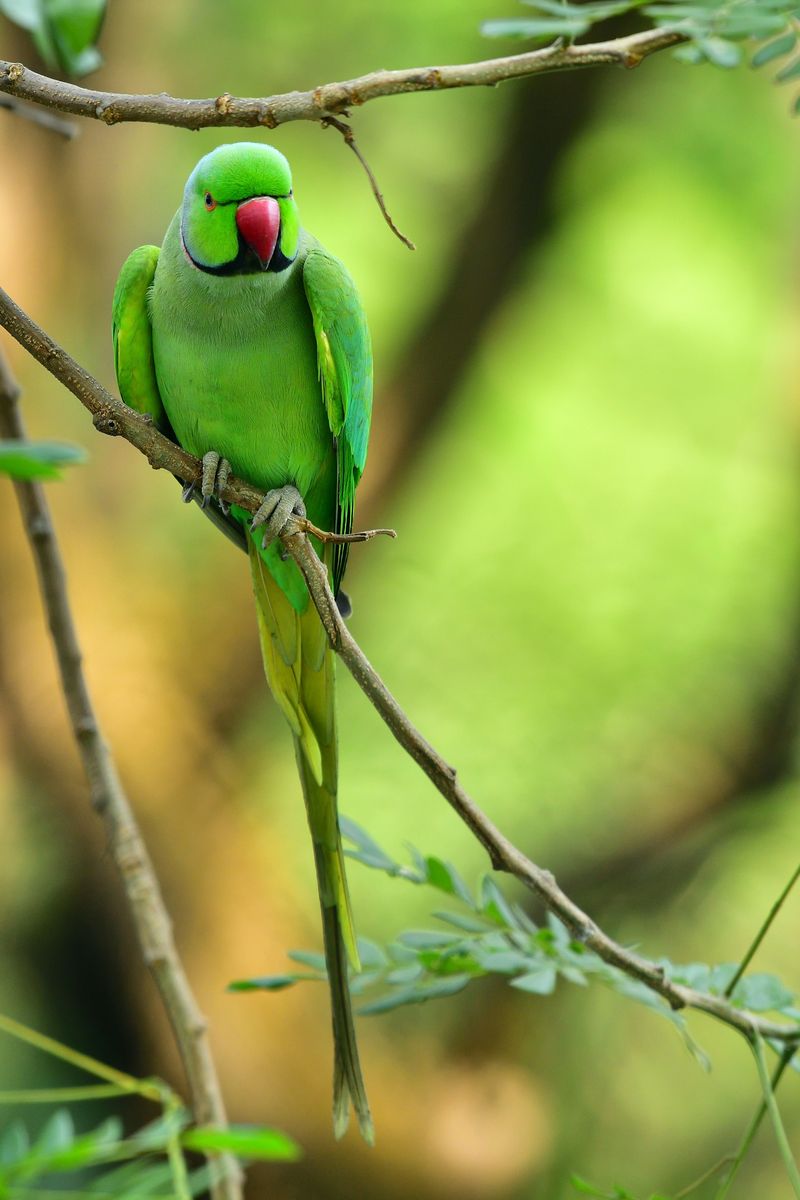
We collaborate with groups working in areas like:
- Nest protection
- Population monitoring
- Habitat preservation
- Local community education
- Alternatives to wildlife trade